Culture
Modern Albanian Relationships: Tradition Meets Own Life
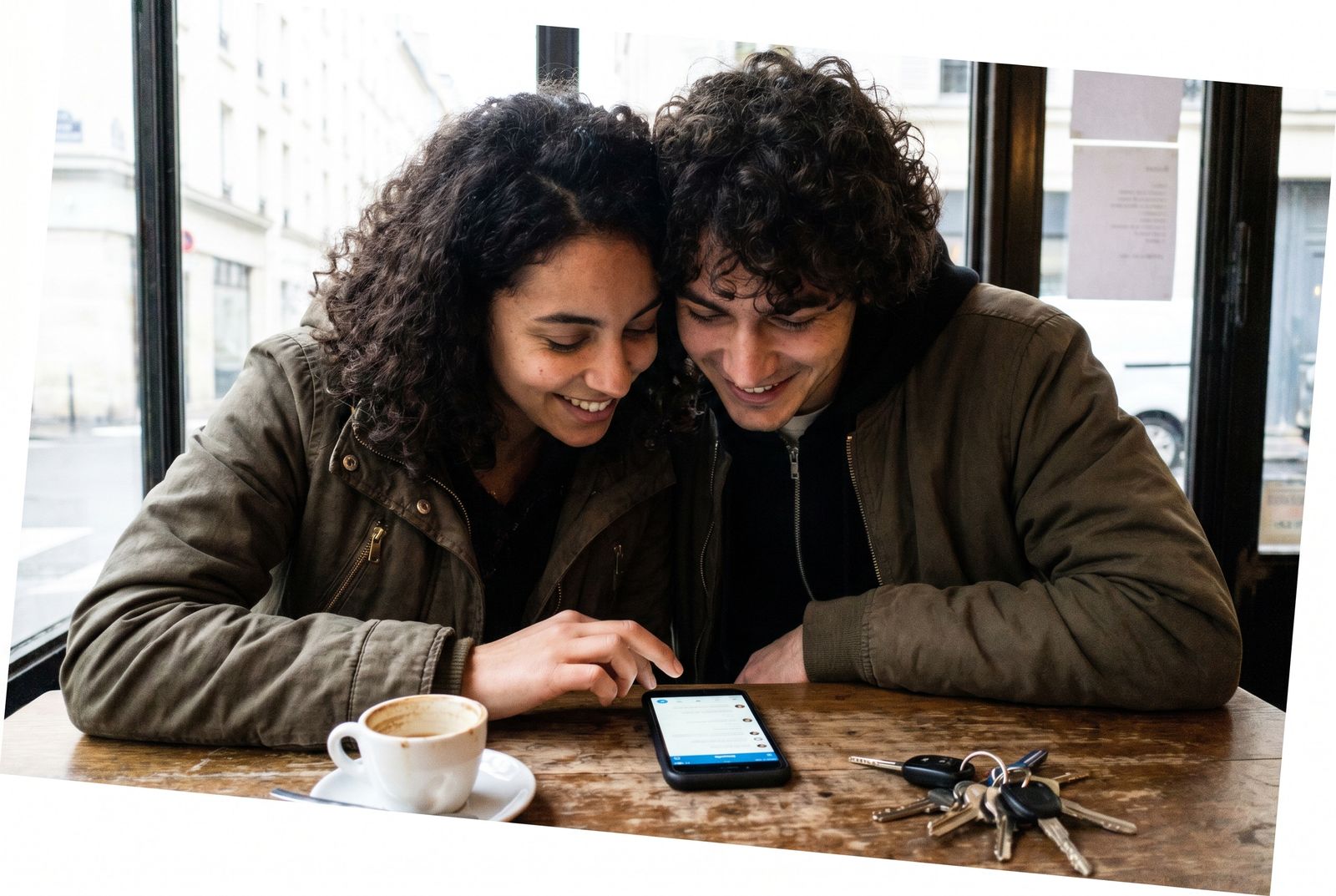
Albanian relationships look different today than they did a generation ago, especially in the diaspora. Anyone who grew up in Germany, Switzerland, or Austria carries two worlds: the expectations of family and the everyday life of university, work, and friends. The result is neither a break with tradition nor a simple copy of it, but a constant balancing act. This piece looks at how this generation rearranges partner choice, living together, the role of family, and religion, without placing one way of life above another.
Two Worlds in One Life
Many people from the diaspora know the feeling: Albanian at home, German outside. It does not describe a painful split so much as a skill. You switch between languages, codes, and expectations, often several times a day. In relationships that switch becomes especially visible. Sunday coffee with the grandparents follows different rules than an after-work drink with colleagues, and both belong to the same person.
This double rootedness shapes how love is imagined. The parents' generation often married within a narrower frame, sometimes through the families' matchmaking, frequently young. Their children grow up with more options and more openness, with apps, shared flats, semesters abroad, and the assumption that they will plan their own lives. Friction is inevitable. What is interesting is how creatively most people handle it.
Picture it through an everyday scene. Someone who studied in Frankfurt and now works there brings his girlfriend over for Sunday dinner at his parents'. At the table they speak Albanian, his mother asks about the girlfriend's family, his father tells stories from last summer back home. Two hours later the same couple is in a bar with German friends, talking about rent, travel plans, and the next exam. No moment feels fake. That is exactly the achievement of this generation: not choosing between the worlds but inhabiting both at once.
Partner Choice: More Freedom, the Same Wish
The biggest shift is probably in partner choice. Almost no one is married off today. People meet at university, through friends, at weddings, back home in the summer, or online. You decide for yourself who fits you. And yet a wish remains for many that should not be read as a step backward: that a partner understands where you come from without needing it explained.
That wish is rarely about exclusion; it is more a longing to be understood. Someone who knows the same humor, the same holidays, the same family rules saves you a thousand small translations. Why this matters to a large part of the diaspora, without dismissing other paths, is described in more detail in the piece on why many Albanians marry Albanian. At the same time there are many happy binational couples for whom background plays no role at all. Both exist side by side, and neither is the more correct answer.
Moving In Before Marriage: A Quiet Negotiation
Few topics show the change as clearly as the question of moving in together. For the parents the order was often fixed: first the engagement, the fejesa, then the wedding, then the shared home. Today couples in the diaspora frequently live together before marrying, some quite openly, others in a grey zone the family silently knows about but does not name out loud.
How a couple solves this depends on the family, on how religious they are, on where they live. A few typical paths you see in the community:
- The couple moves in and says so openly; the family accepts it, even if they would have wished for something else.
- They effectively live together but keep formally separate addresses so as not to upset anyone.
- They deliberately wait until after the engagement or wedding because it matters to their own conviction or to the family.
- They get engaged earlier than planned so that living together comes with the family's blessing.
None of these paths is the modern one and none is the backward one. They are answers to the same question: how much of your own pace can coexist with respect for the people you love?
The Role of Family: Close, but Not in Charge
A cliché says that in Albanian relationships the family has a say in everything. The reality is finer. The family is close, often closer than in many German families, but its role has shifted from deciding to accompanying. Parents want their child to find a good person, and they want to be asked. That is not the same as control.
The moment a partner is introduced to the family for the first time therefore still carries weight. It signals that things are serious. Many young couples plan this step deliberately and with a little nervousness, because parental approval, while not a condition, is a real value. You do not want to love against your family, but with it. This stance, closeness without outside control, is perhaps the clearest difference from the picture outsiders often hold.
At the same time younger couples draw clearer lines than before. They decide for themselves about where to live, when, and in what form, and they invite the family in rather than being summoned by it. The art lies in setting boundaries without harming the bond, and most people learn it over the years.
The Question About Timing
Anyone in a steady relationship inside an Albanian family knows one particular question. It comes up over coffee, at weddings, on the phone with the aunt back in Kosovo: so, when is it happening for you two? It means the engagement, the wedding, sometimes already the first child. The question is rarely meant unkindly; it is a form of caring. But it creates pressure, especially for young women, who used to be assigned a narrow window of time.
The generation born in Europe handles it more calmly than their parents, without shaking off the timeline entirely. Many marry later, because education, studies, and a secure job are meant to come first. Others feel the expectation strongly enough to take it seriously, even if they do not share it. What has shifted most is authority over the meaning: the family no longer decides when the time is right, the couple does. Yet the question stays in the room, and handling it with some poise has almost become part of the relationship itself.
Some couples turn it around and answer head-on, with humor or with a plain when we are ready. Others keep their plans to themselves until they are settled. Both protect their own timing without cutting the bond with family. That is exactly the pattern running through nearly every topic: renegotiate rather than break.
Religion: Mixed, Lived, Rarely Loud
Religion in Albanian relationships is a subject about which a lot of nonsense gets told. Albanians are denominationally mixed, Muslim, Catholic, Orthodox, and a well-known saying holds, roughly, that the faith of Albanians is Albanianness itself. It means that belonging often stands above strict practice. For many families religion is a cultural home more than a daily rulebook.
That does not mean religion is irrelevant. For some couples a shared denomination matters, especially when families are more traditional. For others it is barely a topic of conversation, and mixed couples within Albanian identity have long since stopped being a taboo. How a couple handles it is a private negotiation, not a fixed rule. What counts is respect for each family's history, even if you live less religiously yourself.
What Stays, What Changes
Pulling the threads together, a clear picture emerges. Some things have stayed stable, others have shifted noticeably.
| Stays | Shifts |
|---|---|
| Family is close and is included | From deciding to accompanying |
| The wish to make the relationship official | Timing and order become freer |
| The weight of engagement and wedding | Living together before marriage grows |
| Background as a place of being understood | No longer an exclusion of other paths |
| Religion as belonging | Strict practice becomes more individual |
What stands out: the core does not disappear. It gets renegotiated. The generation born in Europe does not throw tradition away; it carries it differently. It decides more for itself and still keeps the family involved. It lives more modern lives and holds on to what gives it footing.
Love Between Two Eras
Perhaps this is the most honest description of Albanian relationships today: they live between two eras and make something of their own out of it. People who date Albanian rarely want one thing or the other, but someone who speaks both languages of their heritage, the loud one of the celebrations and the quiet one of everyday life. That search is at once very old and very new.
This is exactly where embla comes in. Two people who share the same roots often understand each other faster, because so much does not need explaining, the humor, the family, the holidays, the feeling of living between two worlds. embla is the dating app for Albanians worldwide, built for everyone who wants a partner with the same story while living their own life. A like here is called a Spark and is always blank, with no text at all. It never hangs in a void either, because it always attaches to one sentence or one photo. Anyone who wants to say more replies to something a person actually wrote, and that reply lands straight in the chat. The app launches soon, and the waitlist is open.
Frequently asked questions
How have Albanian relationships changed in the diaspora?
The European-born generation decides much more freely who to date and when to commit. What stays is the closeness of family and the wish to make a relationship official at some point. What is new is that meeting, living together, and the timing of marriage are negotiated more individually than in their parents' day.
Do Albanian couples move in together before marriage?
Some do, some deliberately don't. In the diaspora, living together before the wedding has become normal for a share of couples, while in more conservative families it stays a sensitive subject. It is usually a quiet negotiation between everyday life and what the family expects.
How important is family in choosing a partner?
Very important, but rarely as pressure. Most young Albanians choose for themselves and at the same time want their family to accept the partner. Parental approval is treated as valuable, not as a condition that replaces the relationship itself.
Does religion play a big role in Albanian relationships?
It varies a lot. Albanians are religiously mixed, and many families live faith more as cultural belonging than as strict practice. For some couples the denomination matters deeply, for others it is barely a topic.
Ready for a spark instead of a thousand swipes?
Join the free waitlist and secure 6 months of embla+ free.
Save my spot