Dating
Online Dating Safety: Spot Red Flags Early
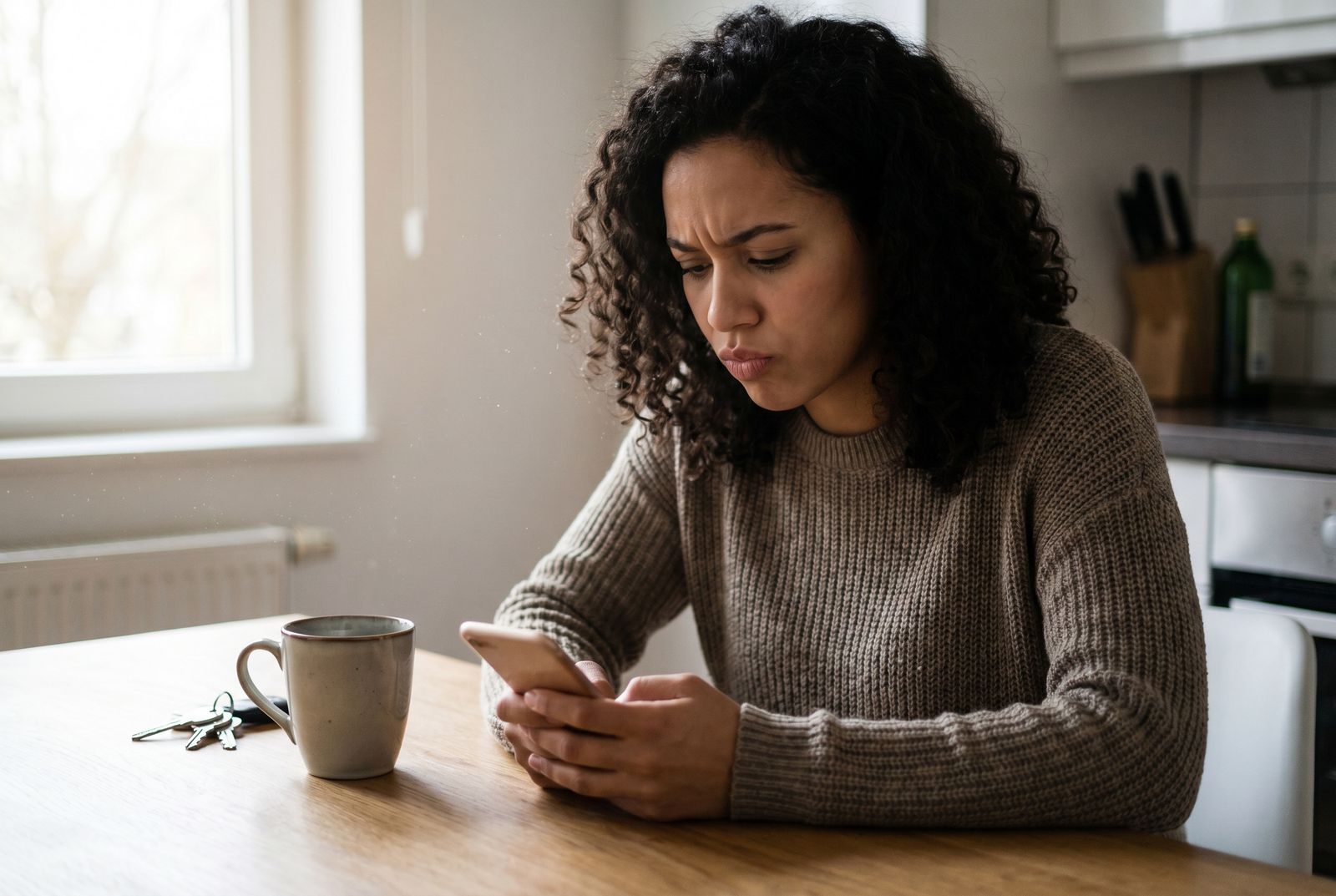
Safe online dating comes down to a few things: catch the warning signs early, be careful with your personal details, and plan the first meeting on your own terms. Most bad experiences announce themselves in advance once you know what to look for. This guide walks you through the most common scams, the clear red flags in a chat, and a simple checklist for the first date, so you can stay relaxed and protected at the same time.
Online dating is completely normal now, especially across the diaspora, where so many people meet across borders. The vast majority of them are exactly what they seem: someone looking for a real connection. But wherever there are many people, a few will try to take advantage. The goal is not to move through life suspicious of everyone. The goal is to make a handful of habits so automatic that you barely notice using them.
The most common trap: the romance scam
In a romance scam, someone builds a relationship over weeks in the chat, usually with plenty of attention and fast, big feelings, and then asks for money. The story almost always sounds plausible: a sudden illness in the family, a parcel stuck at customs, a business emergency, a plane ticket so they can finally come and visit you. The first amount is small. Once you pay, the next request follows.
The pattern behind it never changes. First comes a lot of closeness very quickly, often talk of love within days. Then an emergency appears. And there is always a reason why a meeting or a video call is impossible right now. The camera is broken, the connection is too weak, the job on an oil rig or in the military abroad is too strict. These excuses are classics because they explain why you never actually see this person.
The one rule to remember: never send money to someone you have not met in person. No transfers, no gift card codes, no cryptocurrency, no helping with a supposed payment. Nobody who genuinely cares about you will put you in that position.
Catfishing: when the person does not exist
Catfishing means someone appears with a made-up identity, often using stolen photos of another person. Sometimes a scam sits behind it, sometimes just someone too afraid to be real. Either way, you want to find out early.
A simple test helps: run a reverse image search on the profile photo. If the same pictures show up under a different name or on stock photo sites, the case is clear. Also watch for a profile that stays oddly empty, replies that never quite match your specific questions, and a writing style that suddenly changes, as if several people share the same account.
The best defense against catfishing is the video call. A short five-minute chat before you meet clears up almost everything. Someone who is real and likes you will be happy to do it. Someone who keeps finding new reasons why video does not work right now is telling you everything you need to know. How seriously the apps for Albanian singles take verification and real profiles varies a lot, as the honest comparison shows.
Red flags in a chat you should take seriously
Some warning signs are so obvious they are almost a confession. If several of them show up at once, be careful:
- Money comes up early. Any request for money, codes, or financial help is an immediate reason to stop.
- Pushing off the app. Someone who insists on moving to WhatsApp, Telegram, or another platform after two messages is often dodging the dating app's safety and reporting tools.
- No video, no meeting, always an excuse. A person who likes you and lives within reach will want to see you at some point.
- Too perfect, too fast. Declarations of love after three days, grand future plans with a stranger, the feeling of being rushed. Real closeness takes time.
- Pressure and guilt trips. Anyone who leans on you with accusations, jealousy, or threats before you have even met is showing a pattern early that does not improve later.
- Contradictions in the story. Names, places, ages, or jobs that shift around. People who tell the truth have nothing to keep track of.
A single point does not automatically mean fraud. But your gut is a good sensor. When something feels off for a while, there is usually a reason.
Share only what you need to
The less someone knows about you before you trust them, the safer you are. It sounds strict, but it is easy in daily life.
Stay in the app chat at the start and do not jump straight to your private number. Your full name, your address, your workplace, and your daily routine are not things anyone needs in the first few weeks. Watch your photos too: a shot in front of your door with a visible house number, a license plate, or the street sign around the corner gives away more than you think. In the diaspora the community is often small and closely connected, and screenshots travel fast. So do not share anything you would hate to see passed around.
One extra tip worth following: try not to use the same photo on a dating app that appears on your public social media profiles. Otherwise someone can find you everywhere with a single click, and you want to keep control of that.
Intimate photos and the blackmail trick
One scheme that is sadly becoming more common deserves its own paragraph, because it is especially nasty. Someone builds closeness fast, soon steers the conversation toward something sexual, and asks for a revealing photo or video. Sometimes the person sends something first to fake trust. As soon as you play along, the tone flips: suddenly comes the threat to send the material to your family, your contacts, or the community unless you pay. This blackmail with intimate content hits men and women alike and works mainly through shame.
Protecting yourself is simpler than it feels in the moment. Do not send anything that could harm you to someone you have not met in person and known for a while. In photos or on a video call, do not show anything that would be identifiable together with your face. And if it does happen: do not pay. Someone who pays once usually pays again, and the material does not disappear anyway. Block the person, save screenshots as evidence, and go to the police if the threats are serious. You did nothing that shifts the responsibility away from the person doing the blackmail.
Plan the first meeting safely
Once the chat has turned into real interest, the best and most important step arrives: the first date. A few simple habits let you focus fully on getting to know the person.
| Before the date | During the date | After |
|---|---|---|
| Public place, daytime or early evening | Stay in public, no private home the first time | Head home on your own, no sharing your address |
| Tell a friend where and with whom | Your own drink, never left unattended | A quick message to your trusted person that you are fine |
| Arrange your own way there and back | Phone charged and within reach | Trust your gut, no obligation to a second date |
| Video call done beforehand | Free to leave at any moment | Blocking after a bad feeling is completely fine |
The most important thing is on no table: you can leave at any time. You owe no one your staying, your politeness, or a second round when you feel uncomfortable. A bad gut feeling is reason enough, and a decent person will respect it.
For the first meeting, choose a place with people around and organize the trip so that you stay independent. Do not let anyone pick you up from home, and do not go to someone's place. A cafe in the afternoon is ideal, because it is easy to leave and there is no pressure to save the evening.
Block and report without guilt
Many people hesitate to block someone because it feels harsh. In fact it is the opposite of rude, it is self-protection. You do not have to explain yourself, say goodbye, or hold a discussion. A contact that gives you a bad feeling is allowed to simply end.
Report a profile whenever you run into a scam attempt, stolen photos, insults, or crossed boundaries. That does not only help you. The same person often messages many people at once, and your report can stop someone else from losing money or getting hurt. On embla, by the way, there is no empty text box at all. Nobody can message you out of nowhere there, and you cannot message anyone out of nowhere either: every first contact is a reply to something you wrote yourself. Mass messaging therefore fails structurally, because only three such replies a day are free.
Safe does not mean suspicious
After all this caution, one important thought to close on: most people are honest. Safe dating is not meant to take the joy away but to protect it. Once the basic rules are second nature, you can be far more open and curious, because a net is quietly stretched out in the back of your mind. Being good to yourself is part of it: strong photos, an honest self-description, and clear intentions do not only help you, they also draw the right people in. You will find more on that in our dating profile tips.
embla is the dating app for Albanians around the world. Safety and respect are built in from the start, from reporting with a single tap to the rule that nobody can message you out of nowhere. On top of that, every profile passes a selfie verification before it becomes visible at all. The app launches soon, and the waiting list is open.
Frequently asked questions
How do I spot a fake dating profile?
Watch for photos that look too perfect or catalog-like, a thin profile with almost no personal detail, and a refusal to hop on a short video call. Someone who talks about strong feelings fast but avoids every meeting and call is a warning sign. A reverse image search of the profile photo exposes many fakes in seconds.
What should I do if someone asks me for money?
Stop and never send money, no matter how convincing the emergency sounds. Requests for cash, gift card codes, or help with a supposed crisis are the clearest sign of a romance scam. End the conversation, block the person, and report the profile to the app.
How do I keep a first date safe?
Always meet for the first time in a public place like a cafe and arrange your own way there and back. Tell a friend where you are and who you are with, and share your location if it helps. Stick to your own drink and trust your gut if something feels off.
Should I give out my phone number when online dating?
Not right away. Use the app chat for as long as you can and share personal details like your number, address, or workplace only once trust has grown. The less someone knows about you before you really know them, the safer you are.
Is it rude to block or report someone?
No. Blocking and reporting are safety tools, not insults. You owe no explanation to anyone who makes you uneasy, and a report often protects other people from the same person.
Ready for a spark instead of a thousand swipes?
Join the free waitlist and secure 6 months of embla+ free.
Save my spot